
Understanding the psychology behind your gambling decisions
The Motivation Behind Gambling
Gambling often serves as an escape from reality, providing individuals with the thrill of uncertainty and the possibility of reward. Many people are drawn to the adrenaline rush associated with gambling, as it activates the brain’s reward system. This excitement can lead individuals to take risks they might otherwise avoid in daily life. Understanding this motivation helps clarify why individuals engage in gambling activities and why they may continue to do so despite the potential for loss. A popular choice for many is senseizino.uk, which offers an engaging gaming experience for various players.

Moreover, social factors play a significant role in motivating gambling behavior. Many individuals gamble in social settings, where the communal atmosphere enhances the enjoyment and overall experience. This social interaction can lead to increased participation, as individuals often feel a sense of belonging and shared excitement with their peers. Thus, the psychology behind gambling is not solely based on the desire for monetary gain but also encompasses the thrill of social engagement.
Additionally, personal experiences and cultural influences shape one’s attitude toward gambling. Those raised in environments where gambling is normalized may be more inclined to participate compared to individuals from backgrounds where it is frowned upon. Understanding these varied motivations can help individuals assess their own gambling behaviors and the potential psychological triggers that influence their decisions.
The Role of Cognitive Biases
Cognitive biases significantly influence gambling decisions, often leading individuals to make irrational choices. The illusion of control is one such bias, where gamblers believe they can influence the outcome of random events, such as dice rolls or card shuffles. This perception can lead to increased gambling frequency, as players feel a false sense of mastery over their fate. Recognizing these cognitive biases is crucial for gamblers aiming to make informed decisions.
The gambler’s fallacy is another cognitive bias that impacts decision-making. This fallacy occurs when individuals believe that past outcomes will influence future results, leading them to make bets based on the belief that a losing streak must eventually end. This flawed reasoning can lead to significant losses as gamblers continue to chase their losses. Awareness of such biases can enable gamblers to make more rational choices rather than being swayed by flawed reasoning.
Additionally, confirmation bias often leads individuals to focus on information that supports their existing beliefs while ignoring evidence that contradicts them. For example, a gambler may remember their wins while conveniently forgetting the numerous losses incurred. This selective memory can perpetuate a cycle of gambling, as individuals justify their behavior based on their skewed perception of success and failure.
The Impact of Emotions on Gambling Choices
Emotions significantly influence gambling decisions, often leading individuals to make impulsive choices. Feelings of excitement, joy, or even frustration can prompt individuals to gamble, as they seek to amplify positive emotions or escape negative ones. For instance, someone who has had a particularly stressful day may turn to gambling as a form of relief, only to find that their emotional state clouds their judgment. Understanding this connection between emotions and gambling behavior is essential for recognizing when one might be at risk of making poor decisions.
Furthermore, the highs and lows of gambling can create a rollercoaster of emotions, with wins providing temporary elation and losses leading to feelings of disappointment or despair. This emotional volatility can lead to a cycle of gambling as individuals chase the «high» of winning, often neglecting the potential for significant financial loss. Recognizing the emotional triggers that lead to gambling can help individuals develop healthier coping mechanisms.
Moreover, the concept of loss aversion plays a crucial role in gambling decisions. Individuals are typically more affected by the prospect of losing than by the potential for winning the same amount. This fear of loss can lead gamblers to continue playing in an attempt to recoup their losses, often leading to a detrimental spiral. Understanding the emotional aspects of gambling can empower individuals to make more rational decisions and avoid falling into this trap.
The Influence of Environment and Social Norms
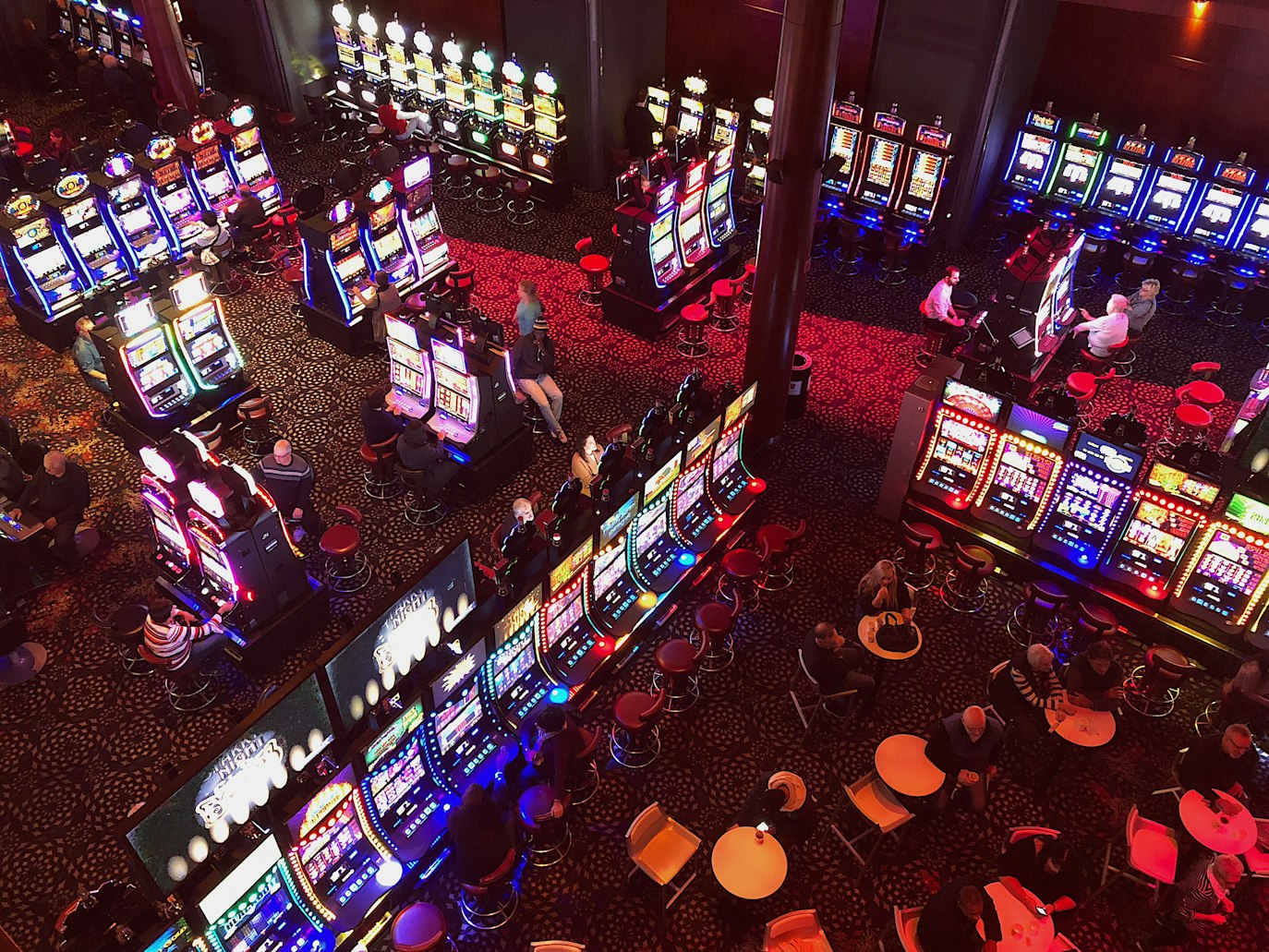
The environment in which gambling occurs can significantly impact decision-making. Casinos, both online and offline, are designed to create an atmosphere of excitement and anticipation, often through bright lights, sounds, and engaging visuals. This carefully crafted environment can heighten the thrill of gambling, making it difficult for individuals to walk away. Understanding how these environmental cues influence behavior can help gamblers develop strategies to resist temptation.
Social norms also play a vital role in shaping gambling decisions. In some cultures, gambling is viewed as a socially acceptable form of entertainment, while in others, it may carry a stigma. These societal attitudes can affect how individuals perceive their gambling behavior and whether they seek help if they feel they are at risk of developing a gambling problem. By recognizing these social influences, individuals can better understand their own motivations and behaviors related to gambling.
Moreover, peer pressure can lead individuals to gamble in situations where they might not typically engage in such activities. Friends or family members who gamble may inadvertently encourage others to join in, leading to increased participation even if it conflicts with personal values. Understanding the impact of social dynamics on gambling decisions is essential for fostering a responsible approach to gambling and ensuring that individuals make choices aligned with their values.
Exploring Responsible Gambling Platforms
In light of the complexities surrounding gambling decisions, it is vital to explore platforms that prioritize responsible gambling. Online casinos, such as Senseizino, have emerged as modern environments for players, offering secure and engaging experiences while emphasizing player safety. These platforms provide a variety of games, catering to different preferences, and often include features that promote responsible gambling practices.
Senseizino, for example, ensures a seamless signup process while prioritizing user safety through SSL encryption. The platform encourages players to take breaks, set limits on their gambling activities, and seek support if needed. By creating a secure and enjoyable gaming environment, Senseizino empowers players to engage in gambling responsibly, enhancing their overall experience while minimizing the risks associated with unhealthy gambling behaviors.
In addition to providing a variety of games, Senseizino offers customer support dedicated to addressing any concerns players may have. This support extends to educating players about the psychological aspects of gambling, helping them understand their motivations and emotions. By joining a platform that promotes responsible gambling, players can navigate their gaming experiences with greater awareness and confidence.